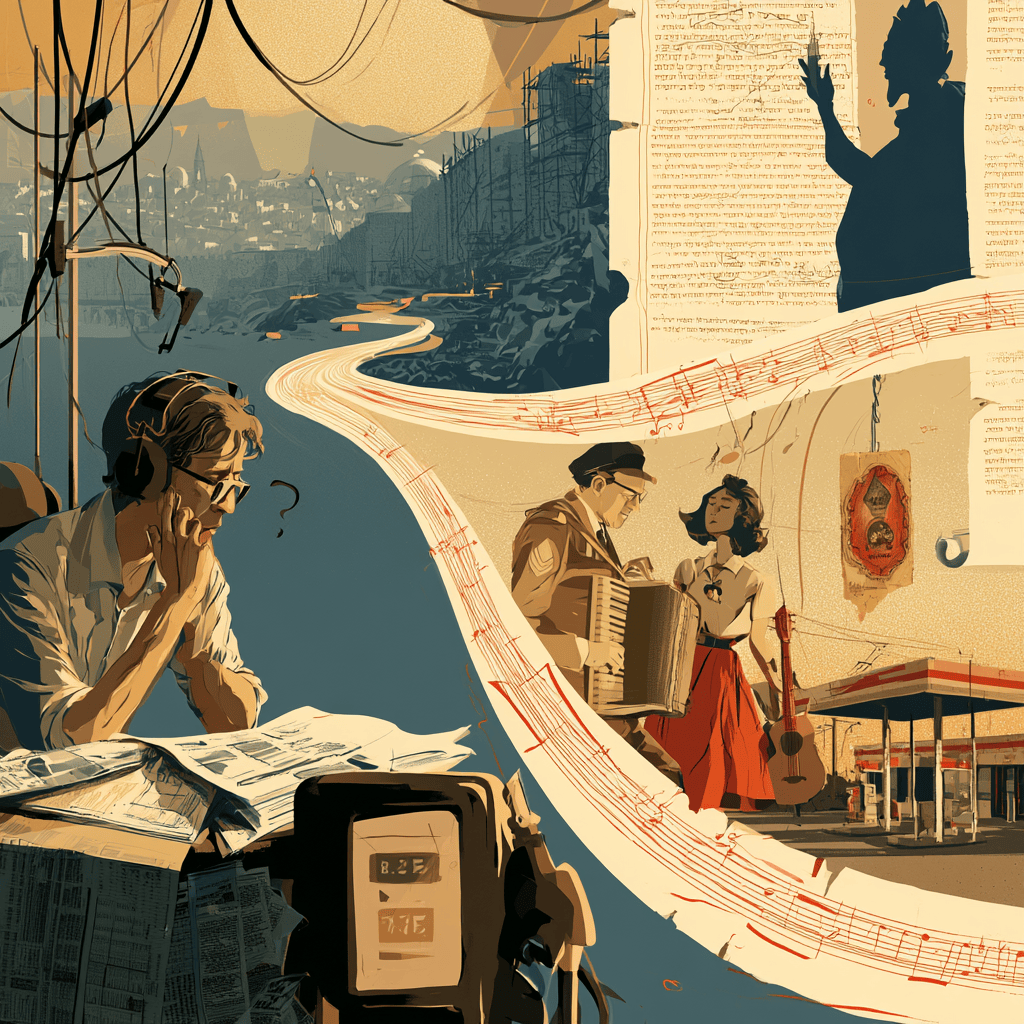
אני קם מוקדם מאוד בבוקר. כל כך מוקדם, שיוצא לי לשמוע את מלוא התוכנית של אפי טריגר, "בוקר טוב ישראל”, המתחילה בשש.
והנה הבוקר, בלי שום אזהרת טריגר, התברר שהיועצת המשפטית לממשלה אישרה להפחית את מס הבלו על הדלק בחצי שקל לליטר. האישור ניתן למרות הטענה שהפחתת המס בתקופה הסמוכה לבחירות עלולה להיחשב "כלכלת בחירות”. מחירו של ליטר בנזין צפוי בעקבות זאת לרדת מ־8.25 שקלים ל־7.75 שקלים. (וואלה כסף)
אפי טריגר, הקורא את כל עיתוני הבוקר ואת העיתונים הכלכליים — ואפילו את הג׳רוזלם פוסט — הפליט לחלל האולפן:
"מה זה לעזאזל מס הבלו?”
ולא יסף.
מכיוון ששאלות כאלה נופלות בדיוק בתחום התמחותי — סקרנות בלתי נלאית בעניינים שאיש לא ביקש ממני לבדוק — יצאתי לברר.
אז מהו מס בלו?
בלו הוא מס עקיף המוטל על מוצרים מסוימים. בישראל אנחנו פוגשים אותו בעיקר במחיר הדלק: המדינה גובה סכום קבוע על כל ליטר, והמס כבר כלול במחיר שאנחנו משלמים בתחנה.
הבלו הוא מקור הכנסה חשוב למדינה. לצד זאת, מסים המוטלים על דלק, טבק ומוצרים דומים עשויים לשמש גם אמצעי לצמצום הצריכה של מוצרים מזהמים או מזיקים.
אבל המילה "בלו” עתיקה הרבה יותר מתחנות הדלק.
מה עושה הבלו בתנ״ך?
האזכור הקדום ביותר של המילה המוכר לנו מן התרבות היהודית נמצא בספר עזרא. חלקים מן הספר נכתבו בארמית, ששימשה שפת מנהל באימפריה הפרסית.
בפרק ד׳ מסופר על מתנגדי בנייתה מחדש של ירושלים. הם פונים אל המלך ארתחשסתא ומזהירים אותו שאם העיר תיבנה וחומותיה יושלמו, תושביה יפסיקו לשלם מסים ואוצר המלך ייפגע. במכתבם מופיעות המילים:
"מִנְדָּה בְלוֹ וַהֲלָךְ לָא יִנְתְּנוּן”
(עזרא ד׳, י״ג)
כלומר: המסים והתשלומים השונים לא יינתנו עוד למלך.
"מנדה”, "בלו” ו"הלך” היו ככל הנראה שלושה סוגים שונים של חיובים שהוטלו באימפריה הפרסית. חז״ל פירשו את המילה "בלו” כ"כסף גולגולת” — מס אישי שנגבה מכל אדם. לא מדובר אפוא בדיוק באותו בלו המוטל כיום על דלק, אלא בסוג אחר של מס.
שלוש המילים חוזרות גם בפרק ז׳. המלך מעניק לכוהנים, ללוויים ולעובדים האחרים בבית המקדש פטור ממסים ומורה:
"מִנְדָּה בְלוֹ וַהֲלָךְ לָא שַׁלִּיט לְמִרְמֵא עֲלֵיהֹם”
(עזרא ז׳, כ״ד)
כלומר: אין להטיל עליהם את החיובים הללו.
ואיך הגיע הבלו לאלתרמן?
ל"בלו” יש גם הופעת אורח בזמר העברי. בשיר "קונצרטינה וגיטרה” מאת נתן אלתרמן, שהלחין סשה ארגוב, מספר פקיד מכס בשם מר זברה למרת נינה על עבודתו, על מס הבלו ועל סחורות שאין עליהן בנדרולה.
הבנדרולה הייתה רצועה או תווית רשמית שהעידה כי המס על המוצר שולם. היא הייתה מזוהה במיוחד עם חפיסות סיגריות ומוצרי טבק. הבדיחה האלתרמנית נולדת מן החיבור בין אווירה רומנטית, ברקרולה וכלי מיתר לבין שיחה יבשה לחלוטין על מכס, סחורות ומסים:
בימינו מזוהה הבלו בישראל בעיקר עם הדלק, אבל בעבר הוא נקשר גם למוצרים אחרים, ובהם טבק. בשני המקרים עמד מאחוריו אותו רעיון: גביית מס על מוצר מסוים — ולעיתים גם ניסיון להשפיע על היקף הצריכה שלו.
המילה „בלו” עשתה אפוא דרך מרשימה למדי: ממכתב בארמית שנשלח למלך פרס, דרך פירושי חז״ל, אל שיר של אלתרמן ולבסוף אל החשבון שאנחנו משלמים בתחנת הדלק.
לפעמים מילה מנהלית ויבשה יכולה לספר פרק שלם בתולדות הלשון והתרבות.
ולשאלתו של אפי טריגר אפשר עכשיו להשיב בקצרה:
מס הבלו הוא מס על נזקים עתידיים או זיהום והוא הסיבה לכך שגם כאשר מחיר הנפט יורד — מחיר הדלק לא תמיד ממהר לרדת איתו.
לטובת מי שמגיע מחו"ל:
I wake up very early in the morning—so early, in fact, that I sometimes hear Efi Triger’s entire radio program, Good Morning Israel, which begins at six AM.
And then, this morning, without any trigger warning, it emerged that Israel’s attorney general had approved a reduction of half a shekel per liter in the excise tax on fuel. The approval was granted despite claims that lowering the tax so close to an election might be regarded as “election economics”—the use of economic benefits to win voters’ favor. As a result, the price of a liter of gasoline is expected to fall from NIS 8.25 to NIS 7.75. (Walla Money)
Efi Triger, who reads all the morning papers and the financial press—and even The Jerusalem Post—suddenly exclaimed in the studio:
“What the hell is excise tax?”
And said no more.
Since questions like this fall squarely within my field of expertise—an unrelenting curiosity about matters no one has asked me to investigate—I set out to find the answer.
Excise is an indirect tax imposed on particular products. In Israel, we encounter it mainly in the price of fuel: the state charges a fixed amount for every liter, and the tax is already included in the price we pay at the pump.
Excise duty is an important source of government revenue. At the same time, taxes imposed on fuel, tobacco, and similar products may also serve as a means of reducing the consumption of products regarded as harmful or polluting.
The earliest known occurrence of the word in Jewish culture appears in the Book of Ezra. Parts of the book were written in Aramaic, which served as an administrative language of the Persian Empire.
Chapter 4 tells of the opponents of the rebuilding of Jerusalem. They appeal to King Artaxerxes and warn him that if the city is rebuilt and its walls completed, its residents will stop paying taxes and the royal treasury will suffer. Their letter contains the words:
“Mindah, belo, va-halach will no longer be paid”
(Ezra 4:13)
In other words, the various taxes and payments would no longer be given to the king.
Mindah, belo, and halach were apparently three different kinds of levy imposed in the Persian Empire. The Jewish sages interpreted belo as “poll tax”—a personal tax collected from each individual. It was therefore not exactly the same excise duty imposed on fuel today, but another form of taxation.
The same three words recur in Chapter 7. The king grants priests, Levites, and the other workers in the Temple an exemption from taxation, declaring:
“No mindah, belo, or halach may be imposed upon them”
(Ezra 7:24) In other words, none of these obligations may be levied against them.
Belo also makes a guest appearance in Hebrew popular song. In “Concertina and Guitar,” written by Natan Alterman and composed by Sasha Argov, a customs official named Mr. Zebra tells Mrs. Nina about his work, excise duty, and goods that lack a banderole.
A banderole was an official strip or label showing that the tax on a product had been paid. It was especially associated with cigarette packs and other tobacco products. Alterman’s joke grows out of the contrast between a romantic atmosphere of barcarole music and string instruments and an utterly dry conversation about customs, merchandise, and taxation.
Today, excise duty in Israel is identified mainly with fuel, but in the past it was also associated with other products, including tobacco. In both cases, the same basic principle was at work: collecting a tax on a particular product—and sometimes also attempting to influence the extent of its consumption.
The word belo has therefore traveled an impressive distance: from an Aramaic letter sent to a Persian king, through the interpretations of the Jewish sages, into a song by Alterman, and finally to the bill we pay at the gas station.
Sometimes a dry administrative term can tell an entire chapter in the history of language and culture.
Efi Triger’s question can now be answered briefly:
Excise duty is a tax imposed on selected products. In the case of fuel, it both generates government revenue and may reflect the future environmental and social costs associated with consumption. It is also one reason why, even when the price of crude oil falls, the price at the pump does not always fall with it.

 על כל שאלה – תשובה
כתיבת תגובה